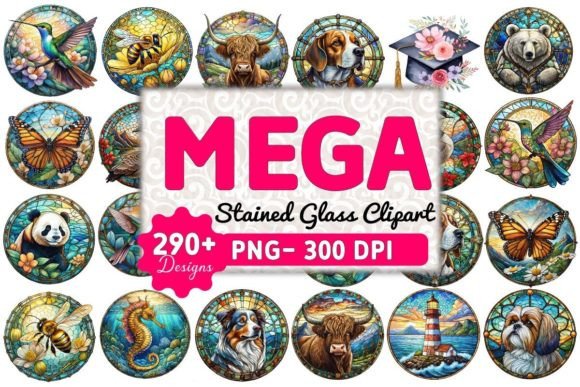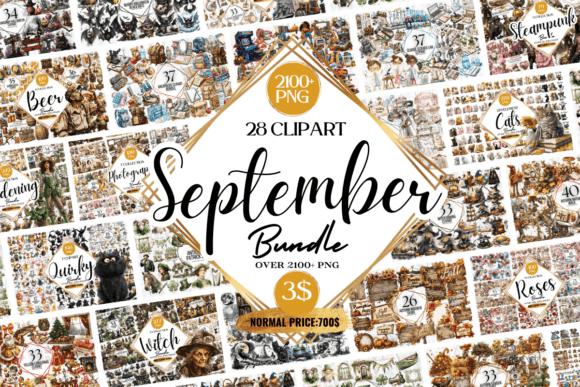
The September Clipart Huge Bundle: A Designer's Real-World Review
As an embroidery designer who has spent years stitching, testing, and refining digital assets for both personal joy and commercial clients, I know that the difference between a good project and a great one often comes down to the source material. You can have the best machine in the world, the highest quality thread, and the most skilled hands, but if your embroidery file lacks the right balance of detail and structure, the result will fall flat. Recently, I put the The September Clipart Huge Bundle through its paces to see if it truly delivers on its promise for real-world applications. This review is not just about counting stitches or listing file formats; it is about how this collection performs when it transitions from a screen to fabric.
First Impressions: Mood and Visual Personality
The moment I opened the folder, the mood was immediately clear. The The September Clipart Huge Bundle exudes a warm, inviting energy that feels perfectly suited for the transition from summer to autumn. Unlike many clipart collections that feel generic or overly busy, this set strikes a thoughtful balance. The shapes are clean, the lines are distinct, and the visual personality suggests a design that wants to be worn, gifted, and cherished. For a designer, the layout is intuitive, making it easy to visualize how these elements would translate into a physical product. It feels less like a random assortment of images and more like a curated toolkit for creating cohesive seasonal products.
The detail level is impressive without being overwhelming. In my experience, too much detail in a machine embroidery design leads to puckering or lost definition, while too little looks cheap. This bundle seems to hit that sweet spot where the designs hold their integrity even when scaled down for smaller items. Whether you are looking at a large statement piece or a tiny accent on a pocket, the core shapes remain recognizable. This is crucial for maintaining brand consistency across a line of handmade products.
Real-Life Application: From Screen to Stitch
To truly test the viability of The September Clipart Huge Bundle, I decided to simulate a common scenario for small business owners and Etsy sellers: creating a custom embroidered tote bag for a local craft fair. The goal was to produce a high-quality item that customers would want to buy as a gift or a practical accessory. I selected a few key designs from the bundle and began the digitizing process.
The first thing I noticed was how well the designs adapted to the curves and flat planes of the canvas fabric. When I ran the test stitch on a scrap piece of heavy-duty cotton, the satin stitch areas held up beautifully, providing a smooth, professional finish that caught the light nicely. The fill stitch sections were dense enough to cover the fabric completely without becoming stiff or unyielding. This is a critical factor for apparel decorators who need garments that drape naturally rather than feeling like they are wearing a piece of cardboard.
I also considered how this bundle would perform on softer items, such as baby clothes or a cozy sweatshirt. The versatility here is significant. The designs are simple enough to work on delicate fabrics without causing damage, yet detailed enough to add value to a premium garment. Imagine a personalized baby onesie featuring a character from this bundle; the clean lines ensure that the design remains legible and adorable even after multiple washes. Similarly, for holiday gifts like kitchen towels or pillow covers, the aesthetic fits perfectly with the rustic, homey vibe that defines the season.
Navigating Challenges: Where to Be Careful
While the The September Clipart Huge Bundle is robust, no single design asset is a magic bullet for every situation. As a professional reviewer, I must point out where caution is required. If you are working with very small hoop sizes, such as those used for cap patches or jewelry tags, you may need to simplify certain elements. Tiny lettering or intricate decorative accents within the clipart might lose definition if the stitch density is too high for the available space.
Textured fabrics and stretchy materials present another challenge. While the design works well on stable weaves like denim or canvas, applying it to thin, stretchy knits requires careful stabilizer selection. Without the proper backing, the stitch density could cause the fabric to pucker or distort, ruining the intended look. Dark fabrics also demand attention; while the designs themselves are fine, the thread colors chosen to contrast against dark backgrounds must be carefully selected to ensure visibility. I always recommend testing the design in black and white mockups first to verify that the contrast levels will hold up in the final product.
Furthermore, for products that require frequent washing, such as aprons or children's clothing, the durability of the stitch placement is paramount. Dense stitch areas should be avoided on edges that will undergo constant friction. Layered garments, like hoodies with pockets, also require precise positioning to avoid bulkiness. Always confirm whether the design works for both personal and commercial projects before committing to a large production run.
Impact on Value and Brand Perception
The choice of design assets directly influences customer trust and the perceived value of a finished product. When a buyer sees a professionally stitched item made with a cohesive design library like The September Clipart Huge Bundle, they subconsciously recognize the effort and care put into the creation. This elevates the item from a "handmade craft" to a "designer product." For Etsy sellers and boutique owners, this distinction is vital for building a loyal customer base.
The visual appeal of the bundle enhances the overall presentation. A consistent style across different products—such as matching tote bags, hats, and patches—creates a strong brand identity. Customers are more likely to return to a shop that offers a unified aesthetic. Additionally, the giftability of these designs is high; the themes are universally appealing, making them safe choices for weddings, holidays, and special occasions. This reduces the risk for designers who want to expand their inventory without guessing what will sell.
Practical Notes for the Embroidery Designer
Before you start mass-producing items with The September Clipart Huge Bundle, there are several technical steps you should take to ensure success. First and foremost, always test the design on scrap fabric that matches your final material. This allows you to check thread color contrast and inspect small details under magnification. Verify the hoop size requirements and ensure your machine can handle the specific stitch types involved.
Review the stitch density carefully. If the design feels too heavy, consider adjusting the settings or simplifying the pattern. Check whether the design includes necessary instructions for applique design techniques if you plan to use layered fabrics. Confirm licensing terms explicitly; some digital embroidery files allow for personal use only, while others permit the sale of finished goods. Do not assume the license covers all scenarios.
Finally, compare light and dark fabric backgrounds during your testing phase. Use proper stabilizer to support the fabric and prevent distortion. By following these guidelines, you can leverage the full potential of The September Clipart Huge Bundle to create stunning custom apparel, embroidered patches, and memorable personalized gifts. This collection offers a solid foundation for any creative entrepreneur looking to elevate their craft business with professional-grade design assets.