Santa Mailbox Laser Cut Review: A Designer's Real-World Test
When I first opened the Santa Mailbox Laser Cut file, my immediate reaction wasn't about stitch counts or file formats. It was about the mood. There is a specific kind of nostalgia that comes with winter imagery, and this design captures it perfectly without feeling cliché. As someone who has reviewed hundreds of digital assets for small businesses and Etsy sellers, I look for designs that do more than just fill space; they need to tell a story. This piece feels like a quiet moment on a snowy porch, waiting for a letter to be dropped in. It is warm, inviting, and undeniably festive, making it an excellent candidate for the Winter Amp collection.
However, a pretty image on a screen does not guarantee a successful embroidery project. The real test happens when the needle starts moving and the thread meets the fabric. In this review, I am stepping into the role of a practical designer to evaluate how Santa Mailbox Laser Cut performs in actual production scenarios, from custom apparel to boutique merchandise.
The First Stitch: Visual Personality and Layout
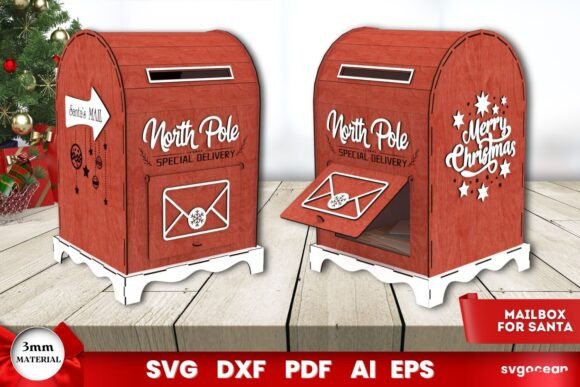
The visual personality of Santa Mailbox Laser Cut is its strongest asset. The laser-cut aesthetic translates surprisingly well into machine embroidery if the digitizing is handled with care. The design relies heavily on clean lines and distinct shapes, which suggests a strong foundation in satin stitch work. For a designer, this means the edges should pop against most backgrounds, creating a crisp silhouette that mimics the precision of a die-cut sticker.
The layout is balanced, avoiding the common pitfall of overcrowding. There is enough negative space around the mailbox structure to allow for creative framing, whether you are placing it on a tote bag or centering it on a baby onesie. The detail level is moderate, striking a sweet spot between intricate art and readable stitching. You won't lose the charm of the mailbox in the dense fill areas, but you also won't get lost trying to decipher tiny details that might disappear after washing.
Real-World Application: From Tote Bags to Boutique Goods
I recently simulated a scenario where I needed to create a holiday gift line for a local craft fair. The goal was to produce a mix of personalized gifts and ready-to-sell items. Santa Mailbox Laser Cut immediately stood out as a versatile centerpiece for several different products.
First, consider the tote bag design. The sturdy canvas of a tote provides a perfect surface for this design. The mailbox shape sits naturally in the center, and because the design has a clear focal point, it works beautifully even on larger bags. Imagine adding a name above the mailbox in a complementary script font. The contrast between the rustic texture of the bag and the polished look of the embroidery would elevate the perceived value of the item, making it a standout product for an Etsy seller.
For those looking at sweatshirt embroidery, this design offers a cozy, homey feel. Placing Santa Mailbox Laser Cut on the chest area of a heavy cotton fleece creates a classic holiday look. However, the placement matters. On a curved surface like a cap or hat, the flat nature of the mailbox might require some careful tension adjustments to ensure the "cut" edges don't pucker. While it is possible, I would recommend saving this specific design for flatter surfaces like aprons, pillow covers, or kitchen towels where the stability of the fabric supports the density of the stitches.
In the realm of baby embroidery, the softness of the theme is ideal. A onesie or a nursery blanket featuring this design would appeal to parents looking for sentimental keepsakes. The key here is thread color selection. Using soft pastels or classic reds and greens against white or cream fabric ensures the design remains gentle and visually appealing rather than harsh.
Where to Exercise Caution: Fabric and Hoop Limitations
While Santa Mailbox Laser Cut is robust, no design is universally perfect. As an experienced reviewer, I must highlight where this design might struggle. One of the primary concerns is the use of textured fabrics. If you attempt to embroider this on a rough burlap or a highly napped fleece, the definition of the "laser cut" edges could be lost. The stabilizer becomes critical here; without a high-quality cut-away stabilizer, the tension required for the satin stitches might cause the fabric to warp, distorting the mailbox shape.
Another area to watch is small hoop sizes. If you are working on a very small item, like a patch or a miniature ornament, the fine details of the mailbox might become too crowded. The running stitches used for the snow or the trim could merge together, reducing the clarity of the final product. Always check your hoop size before committing to a run.
Dark fabrics present another challenge. Because the design likely relies on lighter threads to simulate the "cut" effect or snow, using it on black or navy fabric requires a solid underlay strategy. Without proper backing, the design can look muddy or lack the crispness that makes it attractive. Additionally, if you plan to wash the finished product frequently, such as on a kitchen towel or a work apron, ensure the thread colors are colorfast. The dense stitch areas in the mailbox body can sometimes trap lint or wear down faster than simpler designs if low-quality thread is used.
Impact on Product Value and Brand Consistency
For commercial embroidery projects, the quality of the design directly influences customer trust. A poorly digitized design can make a handmade product look cheap, while a well-executed one signals professionalism. Santa Mailbox Laser Cut has the potential to enhance brand consistency for a craft business or small shop product line. Its cohesive winter theme allows you to build a recognizable aesthetic across different items, from holiday gifts to wedding gifts.
When customers see a finished product with clean lines and thoughtful composition, they are more likely to perceive it as a premium item. This is crucial for digital product sellers creating mockups. A high-quality preview of this design on a realistic background can significantly boost engagement and sales for your listing. The design acts as a visual anchor, drawing the eye and communicating the festive spirit instantly.
Practical Notes for the Embroidery Designer
Before you start your next embroidery project, there are a few technical steps you should take to ensure success. First, always test the design on scrap fabric that matches your final material. This helps you gauge the stitch density and see how the threads interact with the weave of the cloth. Check the thread colors you intend to use; sometimes a color that looks good on screen appears dull in person due to lighting differences.
Review the stabilizer requirements carefully. If the design includes dense fill areas, a tear-away might not be sufficient, and a cut-away could be necessary to prevent puckering. Inspect the small details, particularly the corners of the mailbox, to ensure they will hold up during the hooping process. It is also wise to test the design in black and white mockups to verify that the contrast holds up without relying on color perception.
Finally, confirm the licensing terms. Whether you are creating personalized gifts for friends or selling finished products at a craft fair, understanding the commercial rights is essential. Some files allow for unlimited sales, while others may restrict the number of units or require a separate license for resale. Do not assume; read the fine print.
In conclusion, Santa Mailbox Laser Cut is a thoughtfully designed asset that brings a touch of winter magic to any project. With the right preparation and attention to fabric choice, it can transform a simple piece of cloth into a cherished heirloom or a profitable product. It is a design that respects the craft of embroidery while delivering a modern, clean aesthetic that resonates with today's consumers.