Boho Embroidery Design Review: A Designer's Real-World Take
When I first opened the Boho file in my digitizing software, the immediate reaction wasn't about stitch counts or hoop sizes. It was about the vibe. As someone who has spent years turning digital files into tangible, high-quality finished products for clients and my own small shop, I know that a design's success often comes down to its personality before it even hits the fabric. Boho is no exception. It feels organic, free-spirited, and undeniably warm. The script style carries a relaxed confidence that suggests it belongs on items meant for living, not just looking at.
This review isn't a list of technical specs found in a product description. Instead, I am stepping through this design as if I were preparing a real client order. I want to share how Boho performs when moved from the screen to the machine, and where it shines—or where you might need to tread carefully—when creating custom apparel, personalized gifts, or boutique merchandise.
The First Impression: Mood and Visual Personality
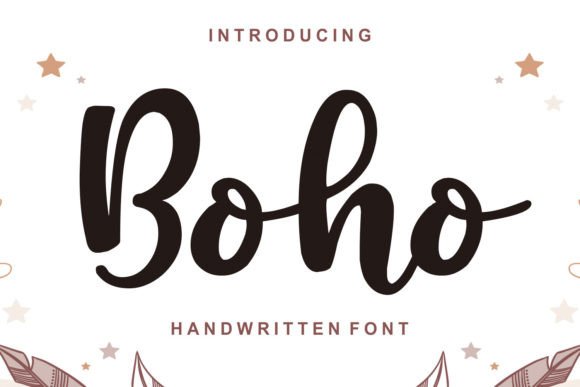
The Boho design falls under the Script Amp category, but it transcends simple typography. The letterforms flow with a natural rhythm, avoiding the rigid perfection of standard fonts. This irregularity is exactly what makes it so effective for handmade goods. When a customer sees a shirt with perfect, robotic letters, they recognize mass production. When they see Boho, they feel the human touch.
The layout creates a sense of movement. It doesn't scream; it whispers. This makes it incredibly versatile for various project types. Whether you are designing a tote bag design for a local market or creating a baby embroidery piece for a new parent, Boho sets a tone of comfort and authenticity. It fits perfectly into the aesthetic of modern craft businesses that value storytelling and artisanal quality over slick, corporate polish.
Real-World Scenarios: Where Boho Shines
Let's imagine a specific scenario. You are an Etsy seller preparing for the holiday season. You have a batch of organic cotton aprons and linen tea towels ready for customization. Your goal is to create a line of "Kitchen Comfort" gifts that appeal to home cooks who appreciate aesthetics. This is where Boho becomes a star.
I tested a mock-up of Boho on a heavy-duty canvas apron using a warm terracotta thread against the natural beige background. The result was stunning. The running stitch details in the script added texture without overwhelming the fabric. It looked like something you would find in a curated boutique, not a big-box store. The design elevates the perceived value of the item immediately. Customers are willing to pay more for a product that looks thoughtfully designed, and Boho delivers that professional look effortlessly.
Beyond kitchen goods, this embroidery file is a powerhouse for custom apparel. Think of oversized sweatshirts for a cozy winter collection or baby onesies for a nursery decor line. On a soft, brushed-back sweatshirt, the Boho script lays flat and integrates beautifully with the fabric's nap. It works equally well on a tote bag design made from sturdy canvas, adding a stylish focal point that complements the utilitarian nature of the bag.
For those selling digital product previews or printable mockups, Boho offers excellent versatility. Its clean lines render well in both color and black-and-white formats, allowing you to showcase your designs on various backgrounds without losing clarity. This is crucial for Etsy sellers and small business owners who need to present their design assets clearly to attract buyers.
Navigating Challenges: Where to Be Cautious
While Boho is a strong performer, every experienced designer knows that context is everything. There are specific situations where this design requires extra attention to detail to ensure a successful outcome.
Small Hoop Sizes: If you are working with very small areas, such as the front of a baseball cap or a tiny pocket on a jacket, you must be careful. While the script is elegant, intricate details can sometimes get lost or merge together if the hoop size is too restrictive. Always check the density of the fill stitch areas before committing to a final run on a small surface.
Fabric Texture and Stretch: This machine embroidery design relies on clear definition. On highly textured fabrics like bouclé or thick fleece, the stitches may not lay as flat as intended. Similarly, on stretchy materials like thin jersey knits, the tension required for the script could cause puckering if you do not use the proper stabilizer. For these applications, a cutaway stabilizer is often necessary to maintain the integrity of the Boho shape.
Dense Stitch Areas: If you are planning to use this for a commercial project involving frequent washing, such as work uniforms or children's clothing, inspect the stitch density closely. High-density areas can become stiff. If the design includes decorative accents or layered elements, ensure they won't catch on things or wear down quickly after multiple washes. For long-lasting durability, a slightly lower density or a combination of satin stitch and running stitch often yields a softer hand feel.
Dark Fabrics: When applying Boho to dark backgrounds, thread color contrast is paramount. Light threads will pop beautifully, but if you choose colors too close to the fabric, the design loses its impact. Always test your thread colors against the actual garment material before starting a large batch.
Designer Notes for Success
To get the most out of Boho in your next embroidery project, I recommend following a few practical steps based on my experience with similar digital embroidery files.
- Test First: Never jump straight into a final product. Run a test on scrap fabric that matches your target material. This helps you visualize how the fabric texture interacts with the stitches.
- Check Stability: Ensure you are using the correct stabilizer for your fabric type. A floating applique technique might be needed for delicate materials to prevent distortion.
- Review Density: Look at the stitch density in your software. If the design feels too dense for the intended use, consider adjusting the settings or choosing a lighter thread weight.
- Licensing Check: Before selling any finished product or commercial embroidery item, confirm the licensing terms. Some embroidery design files allow personal use only, while others permit commercial sales. Make sure you are compliant to protect your business.
- Mockup Testing: Create black-and-white versions of your design to check for legibility. Sometimes color hides structural issues that are obvious in monochrome.
Ultimately, Boho is a tool for creativity. It bridges the gap between digital artistry and physical craftsmanship. Whether you are making a one-off personalized gift for a friend or building a catalog of small shop products for your brand, this design offers the flexibility and charm needed to stand out.
By understanding its strengths and respecting its limitations, you can transform a simple script amp file into a premium handmade product that customers love. The key is preparation, testing, and a keen eye for detail. With Boho, the potential for beautiful, professional results is limitless, provided you treat the process with the care it deserves.