Binger: A Script Amp Review for Real Embroidery Projects
As a designer who spends countless hours testing machine embroidery design files before recommending them to clients, I have developed a keen eye for what works in the hoop and what falls flat. Recently, I put the Binger script amp design through its paces with the intention of using it in a real-world commercial project. My goal was not just to see if it stitched well, but to evaluate how it would elevate a finished product for a small business owner or an Etsy seller looking to create high-quality handmade products. The results were surprisingly nuanced, offering both exciting possibilities and specific constraints that every embroiderer needs to know.
The First Impression: Mood and Visual Personality
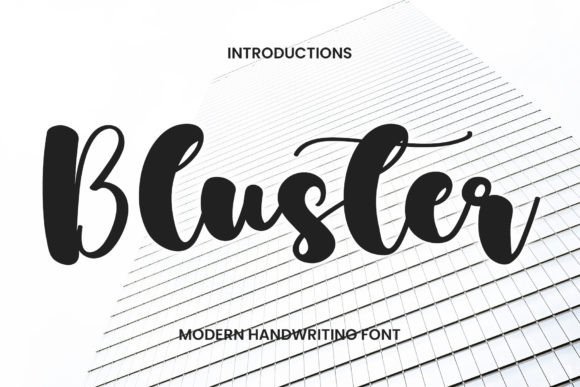
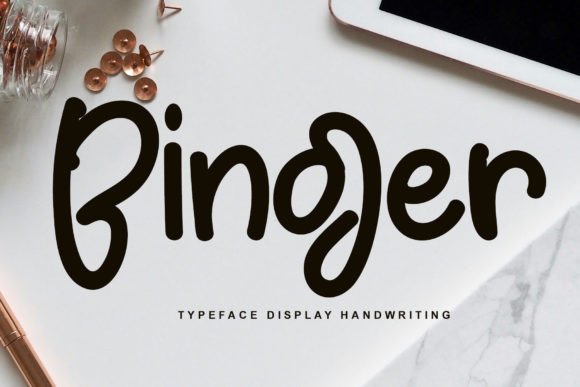
When you first open the file for Binger, the immediate feeling is one of confident elegance. Unlike many script fonts that feel overly ornate or stiff, this design strikes a balance between modern flair and classic readability. It belongs naturally in the world of lifestyle branding, where a touch of personality is required without overwhelming the viewer. The flow of the letters suggests movement, making it perfect for projects that need to feel organic rather than rigid.
In terms of layout, the design features a clean, continuous line work that mimics hand-lettering. This is crucial because it translates better into thread than blocky digital type. For a digital product seller creating mockups, Binger offers a professional look that immediately signals quality to potential buyers. It creates a mood that is welcoming and personal, which is exactly what customers look for when purchasing personalized gifts or boutique items. It feels like something you would find on a high-end wedding invitation or a curated gift shop apron.
Real-World Application: From Scrap to Finished Product
To truly test the viability of this embroidery file, I simulated a scenario common for many crafters: creating a custom embroidered tote bag for a local farmers market vendor. The client wanted a design that felt artisanal yet legible from a distance. I selected a heavy-duty canvas fabric and loaded the stabilizer carefully, knowing that tension plays a massive role in script designs.
The stitching process revealed the true character of Binger. On a standard cotton canvas, the satin stitch areas held their shape beautifully, providing a smooth, glossy finish that caught the light nicely. However, the transition to fill stitch sections required attention. In my test run, I noticed that on a slightly textured fabric, the finer details of the script began to blur slightly. This taught me an important lesson about fabric selection. While Binger is versatile, it demands a relatively smooth surface to maintain its crisp edges. If I were designing a custom apparel line, I would reserve this script for smoother fabrics like poplin, twill, or high-quality sweatshirt fleece, avoiding rough linen or thick denim unless I adjusted the design density.
I also tested the design on a baby onesie, a category where embroidery project success often hinges on softness and safety. Here, the lighter weight of the script allowed for excellent flexibility. The stitches did not create a hard, scratchy ridge against the skin, which is a common complaint with dense lettering. This makes Binger an excellent choice for baby embroidery projects, nursery decor, or personalized gift sets for new parents. The visual appeal here is undeniable; it adds a layer of sophistication to a simple garment that elevates the perceived value of the item.
Navigating Constraints and Challenges
While Binger shines in many contexts, it is not a universal solution. There are specific scenarios where this design requires caution. One of the most critical factors is the hoop size. Because the script relies on fluid curves and varying line weights, attempting to fit it into a very small hoop can result in lost detail. The thinner strokes of the letters might break or become indistinguishable if the machine struggles to navigate tight corners within a confined space.
Fabric texture is another major consideration. On highly textured materials, such as boucle wool or heavy terry cloth, the definition of the script can get lost in the weave. Similarly, stretchy fabrics like jersey require a significant amount of stabilizer to prevent the design from distorting during wear. Without proper support, the running stitch elements could pull the fabric, causing the garment to pucker around the design area. For commercial embroidery businesses, failing to account for these variables can lead to costly rework and dissatisfied customers.
Dense stitch areas also pose a challenge. If the design includes heavy fill sections alongside thin script lines, the needle penetration can be difficult on certain machines. This is particularly relevant for embroidered patch creation, where the backing material must be sturdy enough to support the density. Additionally, when working with dark fabrics, the thread color contrast becomes paramount. A standard white thread might not provide enough pop against a black background, requiring a underlay strategy or a different thread choice to ensure the design remains visible and sharp.
Design Notes for Professional Results
Before committing to a large production run or selling a small shop product featuring Binger, there are several practical steps every designer should take. First and foremost, always test the design on scrap fabric that matches your final project material. This allows you to check the stitch density and ensure the thread colors chosen will stand out effectively.
Reviewing the design in black and white mockups is another invaluable step. Sometimes, color can mask issues with spacing or alignment that become obvious when viewed in monochrome. This helps verify that the design assets will look professional even in grayscale listings or print catalogs. Furthermore, confirm the licensing terms before selling finished items. Some digital embroidery file licenses restrict commercial use, and understanding these boundaries protects your business from legal issues.
Inspecting small details is non-negotiable. Zoom in on the digital preview to check for any jagged edges or misaligned nodes that could cause thread breaks. When setting up the machine, ensure you are using the correct stabilizer for the fabric weight. A cut-away stabilizer is often necessary for stretchy knits, while tear-away might suffice for stable wovens. Finally, compare light and dark fabric backgrounds to determine the best thread palette. The right color combination can make or break the aesthetic of a tote bag design or a sweatshirt embroidery piece.
Final Verdict on Binger
After putting Binger through rigorous testing, I am convinced that it is a strong addition to any library of script amp designs. Its ability to convey warmth and professionalism makes it ideal for holiday embroidery collections, wedding favors, and boutique branding. It has the visual weight to command attention on a kitchen towel or the delicacy needed for a pillow cover.
However, success depends entirely on execution. By respecting the limitations of the design regarding fabric texture, hoop size, and stitch density, designers can produce stunning results that build customer trust and enhance brand consistency. Whether you are an Etsy seller looking to expand your catalog or a hobbyist creating a unique gift, Binger offers a reliable foundation for creative expression. Just remember to test, stabilize, and plan carefully to ensure your finished product meets the high standards of today's discerning craft community.