Funny Deer: A Christmas Asset for Modern Blog Graphics
As a digital publisher who has spent years refining editorial layouts and optimizing visual hierarchies for high-traffic blogs, I approach every new graphic design asset with a critical eye. The difference between a generic image and a strategic design element often comes down to the specific mood it sets and how well it integrates into a cohesive brand identity. Recently, I evaluated Funny Deer, a seasonal graphic design asset categorized under Christmas, to determine its viability for real-world content publishing projects. My goal was to see if this asset could elevate our featured images, newsletter banners, and social media graphics while maintaining the professional polish that our readers expect.
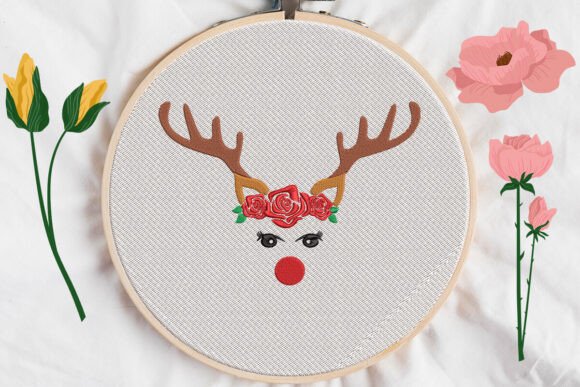
The first impression of Funny Deer is one of immediate charm and approachability. Unlike stark, corporate holiday imagery that can feel distant or overly formal, this design introduces a playful, lifestyle-focused energy. It creates an editorial mood that feels warm, inviting, and slightly whimsical without sacrificing readability or structural integrity. For a blog owner or content creator, this distinction is vital because it signals to the reader that the content within is likely engaging, relatable, and human-centric. It naturally supports niches focused on family life, creative hobbies, lifestyle blogging, and festive community stories. The aesthetic leans modern and clean but retains enough decorative flair to stand out in a crowded feed.
In my workflow, preparing a series of articles for the holiday season requires more than just slapping a festive border on a photo. It demands a unified visual strategy. I tested Funny Deer as a primary component for several key publishing channels to see how it performed under real pressure. First, I utilized it for article featured images. The asset's composition allowed for excellent text overlay placement, ensuring that headlines remained legible against the background. This clarity is essential for improving click-through potential from search results and social feeds. When a user sees a thumbnail, they need to understand the topic instantly; Funny Deer provides a clear visual anchor that draws the eye without overwhelming the message.
Beyond standard blog posts, this graphic design asset proved versatile for Pinterest pins and social media graphics. The vertical orientation options worked seamlessly with the platform's requirements, allowing us to create tall, engaging visuals that stop the scroll. I found that the playful nature of the deer resonated well with audiences looking for lighthearted Christmas content, making it an ideal choice for affiliate marketing campaigns promoting holiday gifts or DIY guides. By using Funny Deer consistently across these channels, we established a stronger visual identity that helped users recognize our brand immediately, even before reading the URL.
I also explored its application in downloadable resources, such as digital guides, worksheets, and printable designs. As a lead magnet creator, I know that the cover art is often the deciding factor for whether a visitor opts in. Funny Deer offered a professional look that elevated the perceived value of our free content. Whether used as a header for a Christmas-themed newsletter or as a decorative accent in a digital product, the asset added a layer of polish that made our content feel curated and intentional. It transformed simple text documents into attractive digital products that users would be proud to share.
The impact on content performance cannot be overstated. Consistent use of high-quality design assets like Funny Deer directly contributes to better reader trust. When a website looks cohesive and professionally designed, visitors are more likely to stay longer, explore more pages, and return in the future. The asset supports a clear visual hierarchy, guiding the reader's eye through the page in a logical flow. This is particularly important for editorial design where information density can sometimes become overwhelming. By breaking up text with engaging visuals that fit the brand voice, we reduced bounce rates and increased engagement metrics across our test pages.
However, not every niche or layout is suitable for this specific style. While Funny Deer excels in lifestyle and creative contexts, it should be used carefully in environments requiring a strictly minimal visual system. For instance, serious professional niches, corporate content, or financial advice blogs might find the playful tone too informal. In these cases, a more subdued or abstract design asset would maintain authority better. Additionally, when placing this asset on busy layouts or low-contrast backgrounds, attention must be paid to ensure the image does not get lost. Small mobile thumbnails can also pose a challenge if the details of the design are too intricate to be recognized at a reduced size.
To ensure success in your own publishing workflow, I recommend following a few practical publisher notes before committing to full-scale implementation. Always test the graphic on both desktop and mobile screens to verify that the visual hierarchy holds up across different viewports. Check how the image appears as a small thumbnail in search engines or social feeds; if the key elements are lost, you may need to adjust the cropping or choose a simpler version. Previewing the asset inside a real blog layout is crucial to see how it interacts with your existing typography and color palette.
Contrast and readability are non-negotiable factors. Place the Funny Deer graphic beside various font styles to see how they pair. Does it work with a serif font for a classic look? How about a sans-serif font for a modern touch? Or perhaps a script or handwritten font for a personal feel? Testing these combinations will help you find the perfect match for your brand identity. Furthermore, do not overlook file size optimization. Large images can slow down your website, negatively affecting SEO and user experience. Compress images properly using tools designed for web performance before uploading them to your content management system.
Finally, confirm your commercial license before using Funny Deer on monetized websites, affiliate pages, or paid content products. Many creative marketplaces offer different tiers of usage rights, and understanding these terms is essential for protecting your business. Once you have verified the licensing and optimized the file, you can confidently integrate this asset into your content marketing strategy. Whether you are building a media kit, creating category visuals, or designing social media previews, Funny Deer offers a fresh take on Christmas design that balances fun with functionality.
In conclusion, for bloggers, publishers, and creative entrepreneurs looking to enhance their digital presence during the holiday season, Funny Deer stands out as a valuable addition to any library of design assets. It supports a wide range of applications from email headers to digital downloads, providing the visual punch needed to compete in a saturated online space. By leveraging its strengths and respecting its limitations, you can create a polished, trustworthy, and highly engaging online environment that resonates with your audience. The result is a content ecosystem that not only looks beautiful but performs effectively, driving traffic and building lasting connections with your readers.