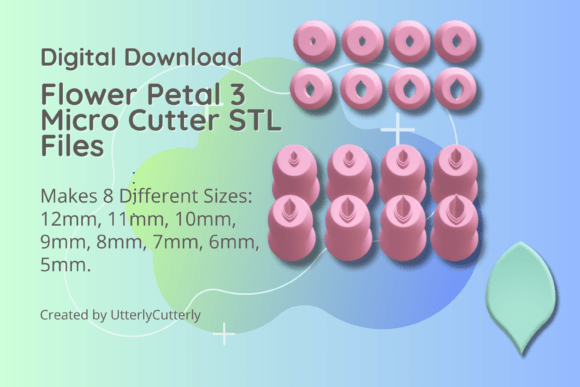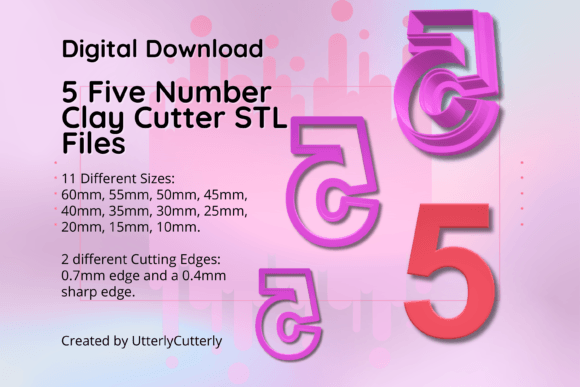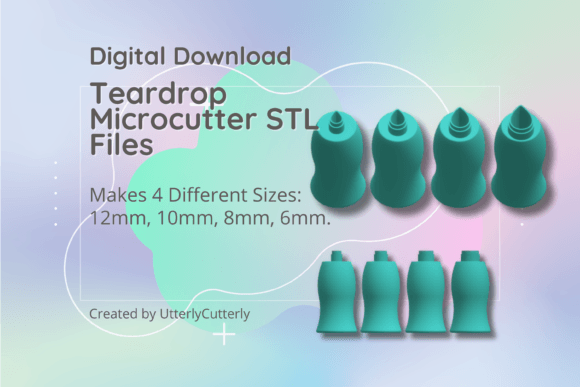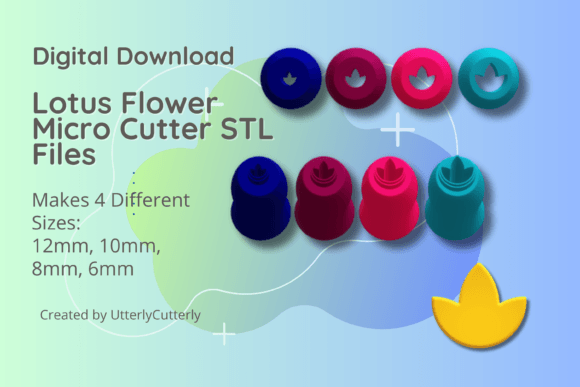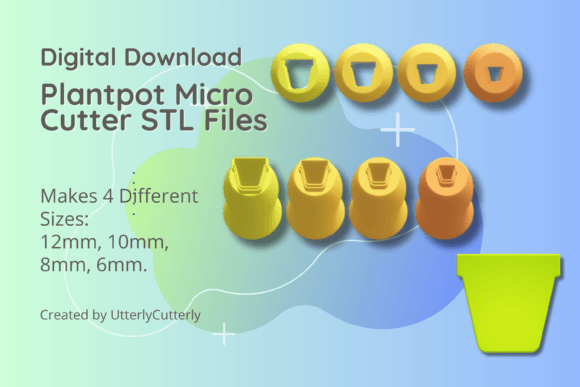
Clay Cutter STL File Plant Pot Micro Cut: Tools for Modern Design
I recently received a brief from a client launching a boutique line of handmade ceramic planters. They wanted a visual identity that felt grounded, organic, and deeply connected to the craft of pottery. The mood board was filled with earth tones, textured backgrounds, and a sense of slow living. In this scenario, finding the right graphic design asset is not just about adding decoration; it is about establishing trust and conveying the tactile nature of the product. That is when I turned my attention to the Clay Cutter STL File Plant Pot Micro Cut.
At first glance, this digital product exudes a specific type of artisanal charm. It does not scream "corporate" or "mass-produced." Instead, it whispers of workshops, kilns, and hands-on creation. For a brand identity project focused on a handmade business, this asset hits the sweet spot between professional polish and rustic authenticity. It serves as an excellent anchor for a small business branding package, instantly signaling to the customer that the products inside are crafted with care.
Visual Mood and Creative Direction
The design language of the Clay Cutter STL File Plant Pot Micro Cut leans heavily into modern design trends that favor simplicity and function. The micro-cut details suggest precision, which is vital when you are trying to elevate a product in a crowded marketplace like Etsy or a print-on-demand store. When I placed this asset onto a mockup of a matte-finish packaging box, the contrast between the clean lines of the cutter and the rough texture of the clay created a compelling narrative.
This is not merely clipart; it is a creative design element that can drive the entire visual direction of a campaign. Whether you are creating marketing visuals for a seasonal launch or designing social media graphics for Instagram, this file provides a focal point that feels intentional. It works particularly well for editorial design projects where the goal is to showcase the process behind the product. By using this design asset, designers can bridge the gap between the digital representation and the physical reality of the item being sold.
Real-World Application in Client Projects
In my experience working with various clients, versatility is key. The Clay Cutter STL File Plant Pot Micro Cut proves its worth across a wide spectrum of applications. For a logo design project, the clean geometry allows it to scale down effectively while retaining its character. It can be integrated into a brand identity system as a primary icon or a secondary decorative mark.
When I think about packaging design, this asset shines. Imagine a die-cut window on a shipping box revealing the product, with this cutter graphic printed alongside it to reinforce the theme. It adds a layer of sophistication that generic illustrations often lack. For t-shirt design or merchandise, the file translates beautifully into sublimation prints, offering a trendy look for apparel aimed at hobbyists and gardeners.
Beyond physical goods, this SVC design (or SVG) format is invaluable for Cricut projects. Many small business owners rely on these tools to create custom stickers, decals, and sticker design elements for their own inventory. If you are a content creator building a Canva template for a DIY blog, this image can serve as a hero graphic or a decorative accent within a tutorial layout. It fits seamlessly into printable wall art collections, adding a touch of industrial chic to home decor themes.
Strategic Placement and Layout Considerations
While this asset is robust, knowing where to place it is just as important as having it. For large layout areas, such as website headers or poster backgrounds, the Clay Cutter STL File Plant Pot Micro Cut commands attention. It acts as a powerful hero graphic that sets the tone immediately. In these contexts, it pairs well with bold typography and ample negative space, allowing the intricate details of the cut to breathe.
However, there are scenarios where caution is required. In crowded layouts or complex backgrounds, the fine lines of the micro-cut might get lost. If you are designing for a minimalist brand that relies on extreme simplicity, this asset might introduce too much visual noise. Similarly, in low-contrast designs or projects requiring very clean visual hierarchy, the detailed nature of the cutter could distract from the primary message. Always ensure that the background supports the asset rather than competing with it.
For supporting brand elements, such as bullet points in a flyer or icons in a sidebar, this file performs admirably. It helps establish a cohesive visual hierarchy by tying different sections of a design together under a unified theme. When used correctly, it enhances audience engagement by providing a familiar visual cue that resonates with the target demographic of craft enthusiasts and plant lovers.
Practical Designer Notes for Commercial Use
Before integrating the Clay Cutter STL File Plant Pot Micro Cut into a billable client project, there are several technical checks every professional designer must perform. First, always test the asset in black and white. This ensures that the shape remains recognizable even if color is removed or if the final output is monochrome. Check the contrast on both light and dark backgrounds to guarantee legibility.
Previewing the file at various sizes is critical. What looks impressive on a desktop monitor might become muddy when shrunk down for a mobile ad or a small sticker. Place the design on real mockups to see how it interacts with textures and lighting. If you are planning to use this for product mockup presentations, ensure the resolution is high enough to avoid pixelation upon close inspection.
File format review is another non-negotiable step. If the package includes a PNG, inspect the transparency edges for any halos or jagged lines. If an SVG or vector file is provided, check its editability. Can you easily adjust the stroke width or convert the paths? This flexibility is essential for adapting the asset to different commercial design needs. Compare the style against other font styles like serif, sans-serif, script, or handwritten fonts to ensure they complement each other without clashing.
Finally, confirm the commercial license before proceeding. Using a design bundle or single asset for a client requires explicit permission for commercial use. Ensure you have the rights to modify the file and distribute it as part of a larger deliverable. This protects both you and your client from potential legal issues.
Final Verdict on the Asset
The Clay Cutter STL File Plant Pot Micro Cut is more than just a tool; it is a strategic component for anyone looking to enhance their creative marketplace offerings. Whether you are a digital seller looking to expand your shop, a marketer crafting a campaign, or a designer building a web design portfolio, this asset offers a blend of aesthetic appeal and functional utility. It successfully captures the essence of craftsmanship while maintaining the clean lines required for modern digital applications.
For those seeking to elevate their print-on-demand items or create engaging editorial design content, this file is a strong addition to your library. It brings a sense of authenticity that audiences are increasingly seeking in today's saturated market. By carefully considering its placement and ensuring technical compliance, you can leverage this Tools category asset to create designs that feel polished, professional, and deeply connected to the craft they represent.